
SMALL-SITE ACCESS
Can a mini excavator fit through your gate?
Possibly, but gate width is only the first check. The delivery vehicle, corners, overhead obstacles, supporting ground and space to work must all suit the exact machine. A mini excavator that can enter may still be unable to complete your job.
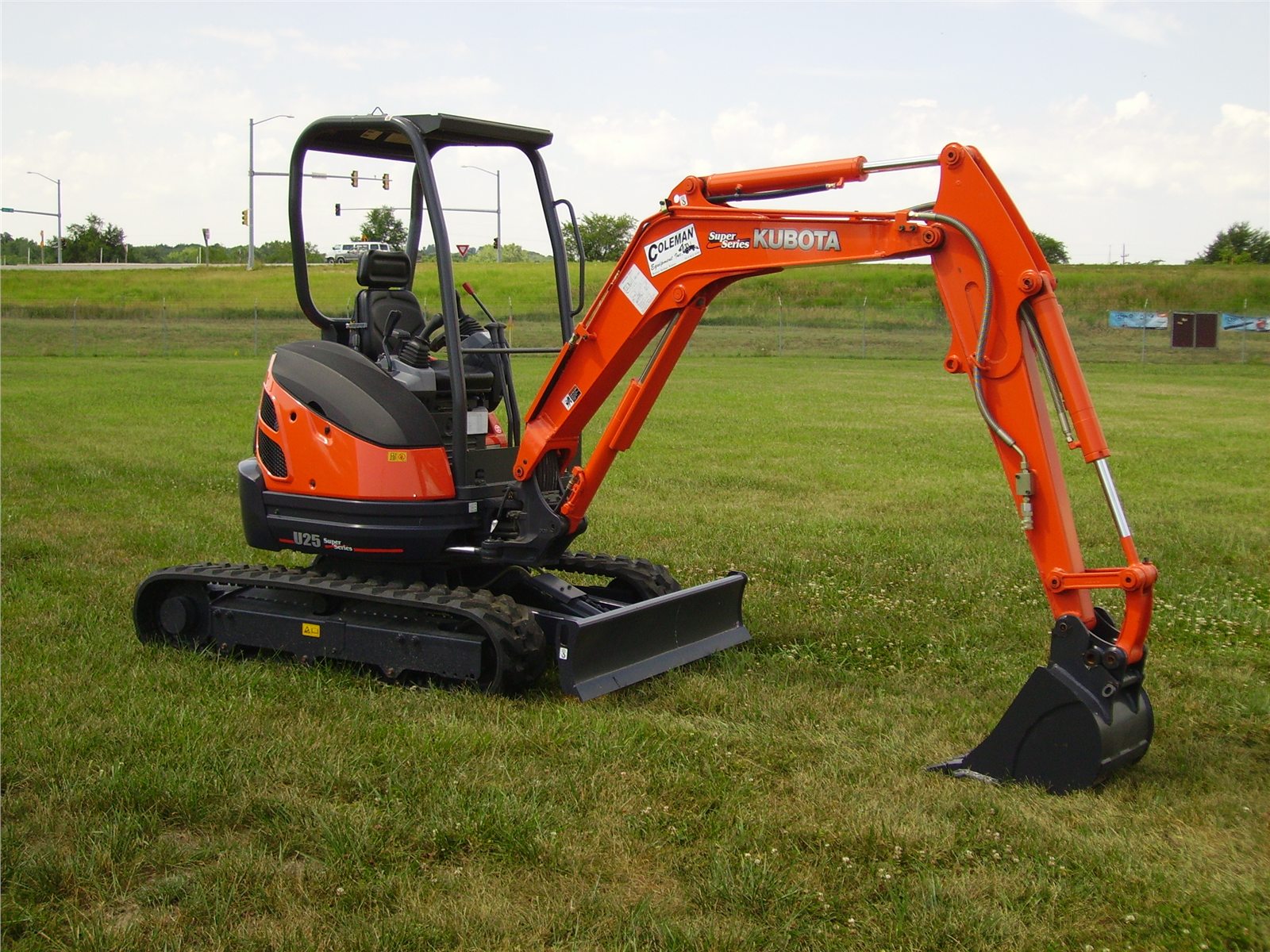
1. Start where the delivery vehicle will stop
Access starts on the approach road. Ask the supplier about the truck or trailer, its loaded dimensions, stopping position and unloading arrangements. The excavator's width tells you nothing about whether that vehicle can reach your lane.
Photograph the approach, parked-vehicle pinch points and unloading area. Explain apartment-society rules and local delivery restrictions. Do not assume unloading on a public road is acceptable. The supplier should confirm the delivery plan before dispatch, including pedestrian and vehicle management.
2. Walk the route from the gate to the actual dig
Measure between the nearest fixed obstructions, not decorative gateposts. Hinges, an open gate leaf, projections and steps can reduce usable space. Continue to the work area; the gate may be wider than the corner behind it. Record measurements with units on a labelled sketch.
Walk the route again looking upward and downward. Mark balconies, branches, cables, uneven transitions and drainage covers. Never approach or measure near electrical lines yourself; have the supplier and appropriate service provider assess the hazard. A photograph helps explain the route, but cannot establish electrical safety.
- Record each narrow point, corner and change in level.
- Show fixed obstacles separately from items the property owner can authorise moving.
- Include the final working position, not just the easiest place to park.
3. Ask which machine configuration the dimensions describe
Design examples show why one width is not enough. Some mini-excavator models offer an adjustable overall width with a foldable rollover protective structure (ROPS), letting the machine narrow further for tight gates. Others use an extending undercarriage for trailer transport. These are general design examples, not promises about machines available through RIGR.
Ask for the current specification and operating manual for the exact proposed machine. A folded protective frame or narrowed undercarriage is not permission to work in that configuration. The supplier and trained operator must establish the permitted travel and working arrangements; do not remove protective equipment to make a machine fit.
On a small screen, scroll the table sideways. Keyboard users can focus the table area and use the arrow keys.
| Configuration | What to verify |
|---|---|
| Loaded delivery vehicle | Overall transport height, width and length; unloading space. |
| Narrowed machine | Track and blade width, attachment position and permitted travel configuration. |
| Protective frame folded, where provided | Manufacturer-permitted use and actual lowered height; never assume a cab folds. |
| Machine ready to work | Required track setting, normal protective-frame height and full movement space. |
4. Check corners and movement, not just a straight passage
A machine may pass between two walls yet fail to negotiate the next turn. Ask the supplier to review the approach, machine length and repositioning space. Some conventional-tailswing mini-excavator models have a rear that swings out beyond their own tracks when turning: small size does not mean its rear stays inside its tracks.
At the work area, the arm, bucket and rear of the machine need room to move without exposing people or neighbouring property. The operator also needs a suitable place to put excavated material. Do not squeeze the work beside a boundary wall simply because the tracks fit. Required clearances depend on the machine, surroundings and assessment.
5. Confirm what is supporting the route
A paved path is not proof that it can support equipment. Tell the supplier about septic tanks, underground water tanks, service trenches, basement roofs and recently filled ground. Covers can conceal unsupported openings. If the construction or condition is uncertain, an appropriately qualified person should assess it before machinery crosses.
Also flag wet soil, slopes and nearby excavations. Machine loads can affect excavation edges and shallow wall foundations. Do not improvise a crossing with loose boards or assume rubber tracks make every surface safe. Agree any necessary ground protection or engineered support, its installation and responsibility before delivery.
6. Leave a way out for soil, rubble and the machine
Follow the material as well as the excavator. Where will soil wait, what will carry it through the passage, and where can the collection vehicle load? A machine parked in the only access corridor can block the very removal operation needed to keep digging.
Check the exit against the finished work. New paving, a rebuilt wall or a stored material pile must not trap the excavator. Agree the sequence with the contractor: complete machine-dependent work, remove material and equipment, then finish surfaces that would block or suffer from further traffic.
Questions before you book
My gate is wider than the published machine width. Is that enough?
No. The published width may describe narrowed tracks rather than the working configuration. The supplier must also check turns, attachment position, overhead hazards, ground support and unloading.
Are photographs enough to confirm access?
Send photographs and labelled measurements for an initial review. Tight turns, uncertain supporting surfaces or utility hazards may require a site visit or specialist assessment before confirmation.