10 September 2026
Post-Monsoon Equipment Maintenance Checklist
A machine that ran through monsoon season needs a proper once-over before it goes back into regular rotation. Here's what to check once the rains stop.
Notes on equipment rental, fleet utilisation, and building a construction marketplace across India, Nepal, Bangladesh and Bhutan.

A machine that ran through monsoon season needs a proper once-over before it goes back into regular rotation. Here's what to check once the rains stop.

Bulldozers and motor graders both move earth to shape it, but they work at completely different levels of precision. Here is when each one actually gets used.

Rental rates for heavy equipment aren't a single fixed number — they move based on a handful of real factors. Here is what actually drives the cost up or down.

A machine is only as safe as the person running it. Here is what operator certification actually covers, and why it matters more than most rental checklists give it credit for.

The global equipment rental industry is worth over $200 billion, but growth isn't even across the world. Here's how developed and developing markets actually compare, sourced from industry data.

Demolition isn't one job, it's several phases with different equipment needs — and getting the sequence wrong wastes both time and money.

Renting out equipment you own means someone else is operating it, on a site you don't control. Here is how insurance and liability actually work when you list a machine.

If your business is GST-registered, the tax you pay on equipment rental does not have to be a dead cost. Here is how input tax credit actually works, conceptually, for contractors.
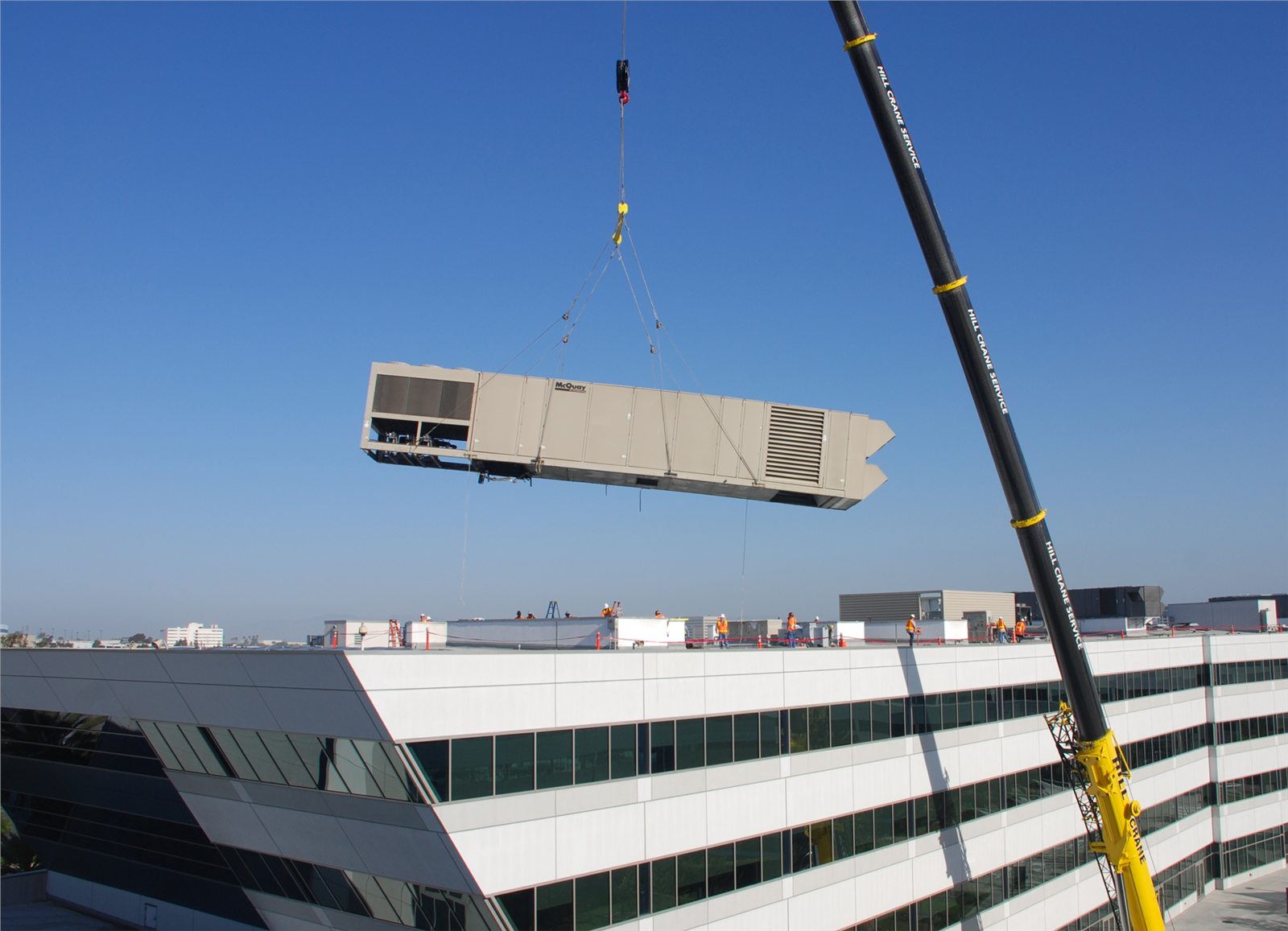
Before asking for a crane size, assemble the information a qualified lift planner needs. A useful brief connects the AC unit, the site and the people receiving it.
Mini, standard, or heavy-duty — picking the wrong excavator size is one of the most common (and costly) rental mistakes. Here's how to match the machine to the job.
Getting paid on time, every time, is often the real deciding factor for equipment owners — more than the headline rental rate. Here's what to actually look for.

Equipment that sits between rentals still needs attention, or the next booking becomes a breakdown risk. Here's what to check on a regular schedule, not just before a listing goes live.

Almost nobody in India asks for a 'backhoe loader.' They ask for a JCB, whether or not the machine is actually made by JCB. Here's why that happens, and why it's not unique to construction.

Rental costs are easy to underestimate when you only budget for the machine itself. Here's a practical framework for getting the number right before the project starts.

The single biggest cause of a delayed or cancelled crane lift isn't the crane — it's a detail nobody confirmed beforehand. Here's what to check first.

A machine that cannot get through the site gate is a machine that cannot work. In dense urban plots, access planning matters as much as choosing the right equipment.

A lot of equipment in Delhi NCR still changes hands through phone calls and personal networks. Here's what a managed marketplace actually changes about that.
The purchase price is the smallest number in the ownership equation. Here are the costs contractors typically underestimate before they buy.
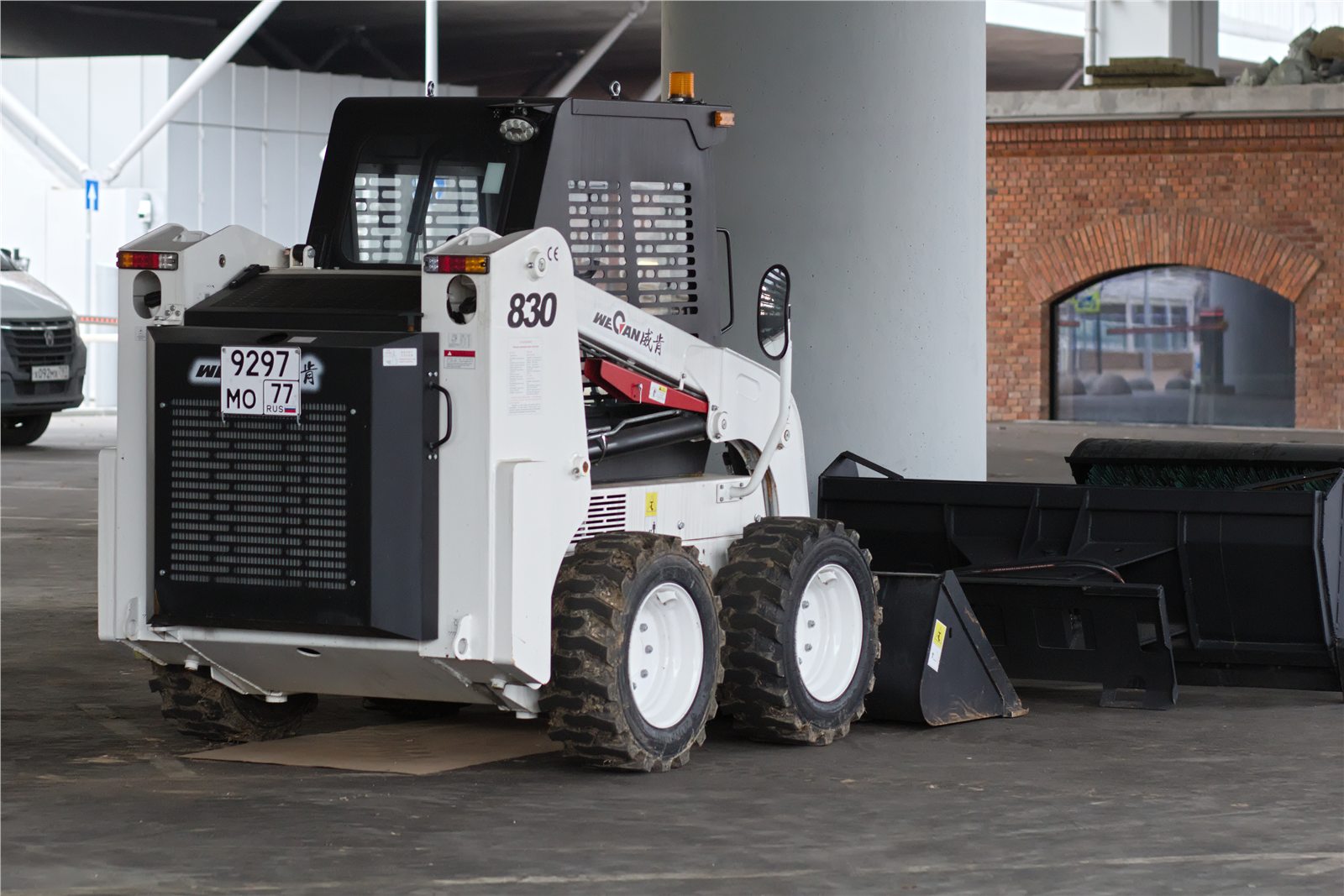
Digging a drain and shifting a pile of soil are different jobs. Choose around the work sequence, surface conditions and removal route, not just machine size.
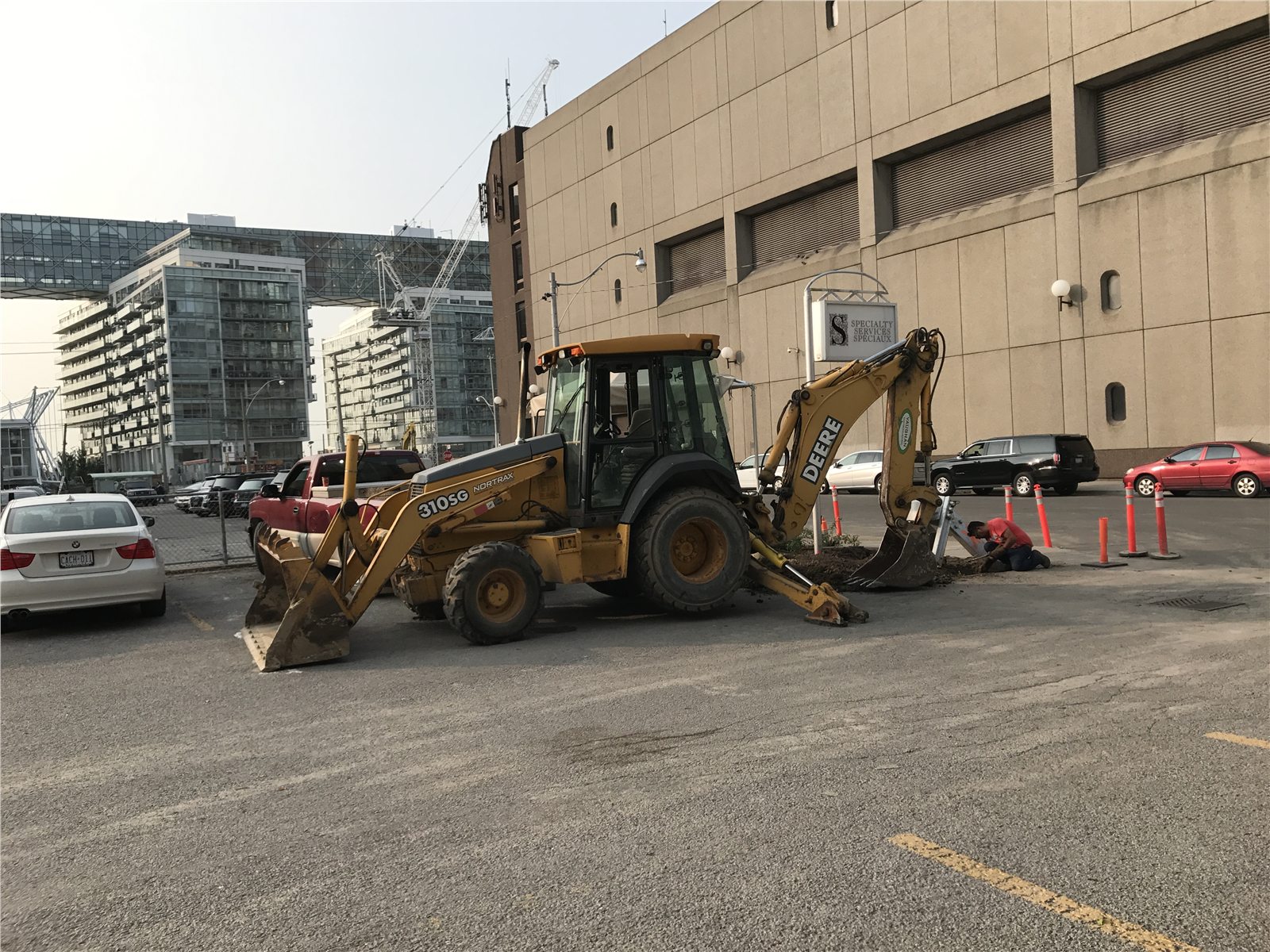
Six hours on the meter does not necessarily mean six hours of rent. Here is how to separate the different clocks before checking an equipment invoice.
Utilization rate is the single most useful number for deciding whether to rent or own — and most contractors have never actually calculated theirs.
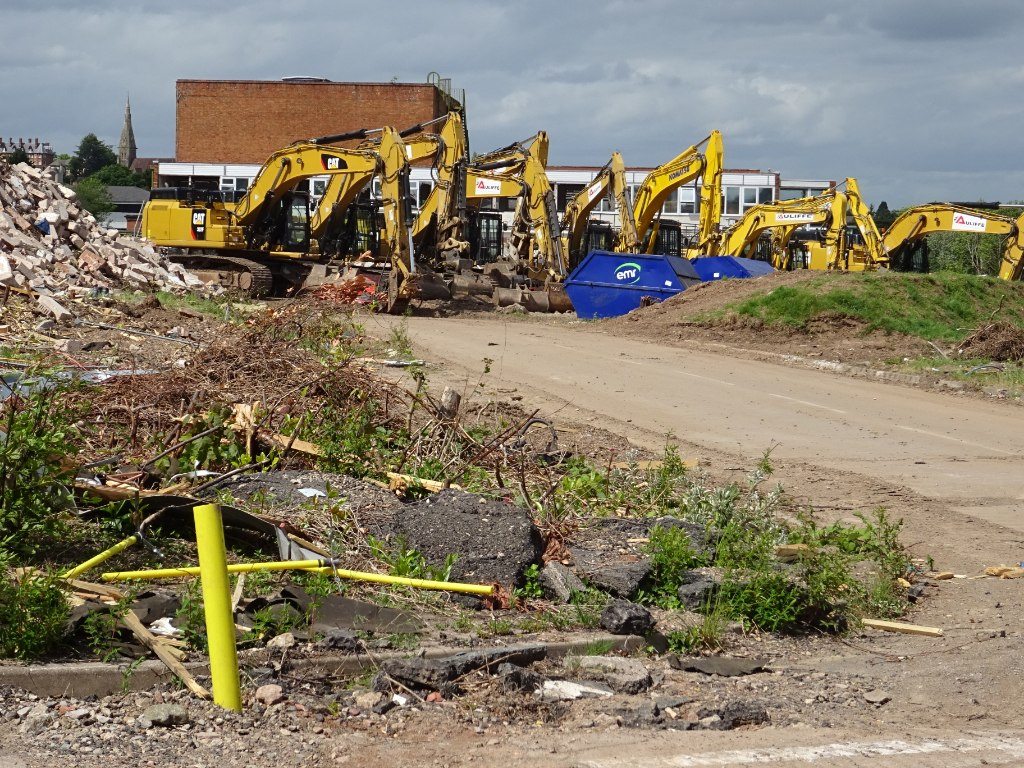
The shortest booking is not always the least costly, and the longest is not automatically better value. Compare the complete programme, including its gaps.
Wheel loaders and backhoe loaders both move material with a front bucket, but only one of them can also dig. Here is how to tell which job needs which.
"JCB" gets used as a catch-all term on Indian construction sites — but a JCB (backhoe loader) and an excavator are different machines built for different jobs. Here's how to tell them apart and pick the right one.
A few minutes of checks before a machine starts work can prevent the injuries, damage disputes, and downtime that show up later. Here's what to confirm every time.
The same job can call for completely different equipment depending on what's actually underneath the site. Here's why ground conditions deserve attention before you book.
Basement and foundation excavation isn't a single task — it's several distinct stages, each with different equipment needs. Here's how to plan for all of them.

Extreme summer heat doesn't just make the job site uncomfortable — it puts real stress on the equipment itself. Here's what changes when temperatures spike.
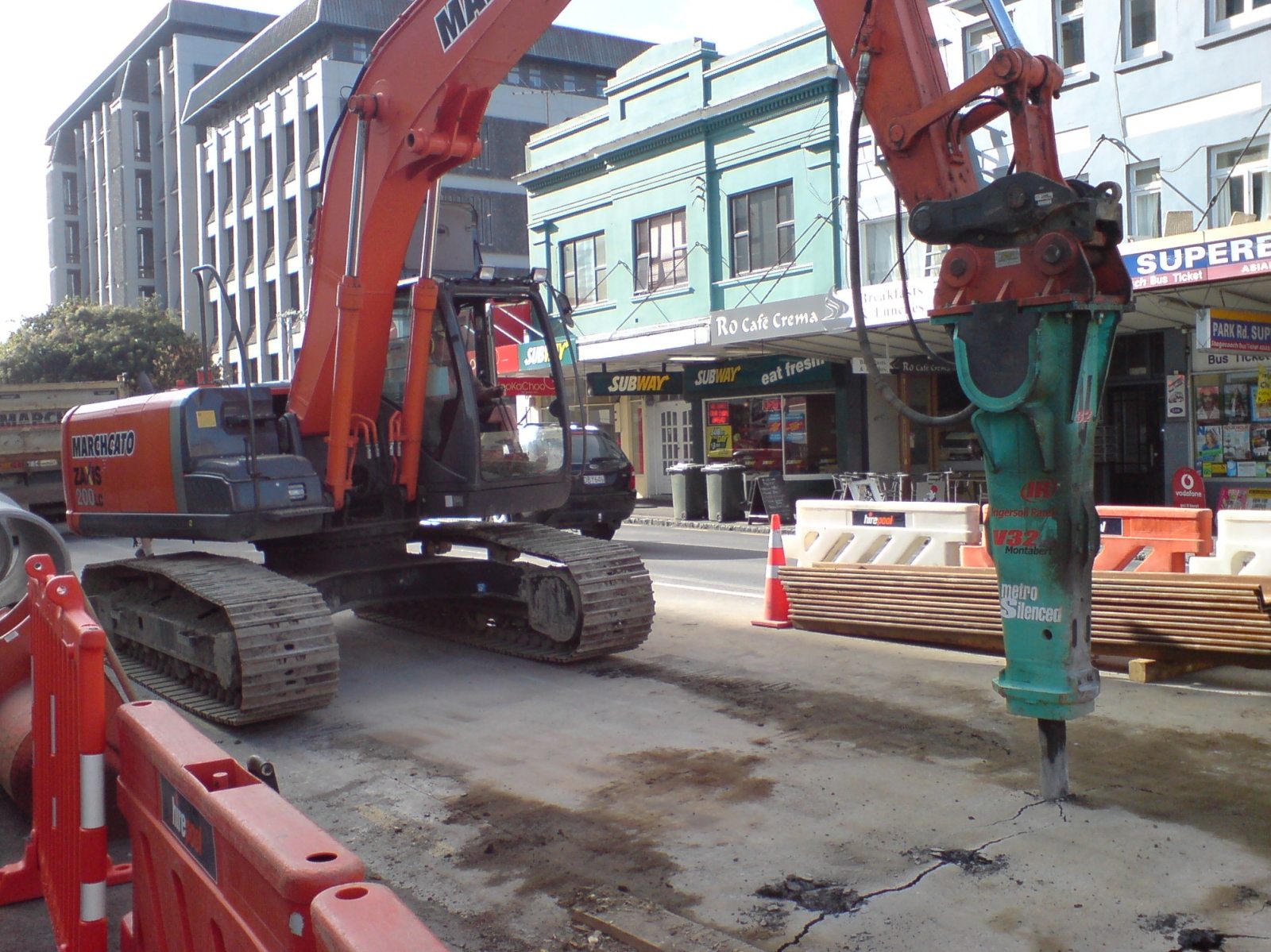
Hard-looking ground does not settle the attachment choice. Identify what is present, what surrounds it and how the broken material will be removed.
Most disputes over an equipment rental trace back to something that was never actually confirmed in writing. Here's what to check before you commit to a booking.
Mobile, tower, and crawler cranes all lift, but they are built for very different sites and durations. Here is how to tell them apart before you commit to one.
An excavator is only as useful as what's bolted to the end of its arm. Here is what the common bucket types and attachments actually do, and when to use each one.
Monsoon season doesn't have to stop a project, but it changes what safe equipment operation actually looks like. Here's what to plan for before the rain starts.

Neither renting nor owning is universally 'better' — it depends almost entirely on how many hours a year the machine would actually run. Here's the simple way to work it out.
Booking a machine the day before you need it usually still works. Booking it a week or two ahead is what actually gets you the best match for the job.

Gurugram's property market has stayed hot for decades running. Here's what's actually driving it — the jobs, the industry, the roads — and why some analysts still say it's worth checking for bubble signs before you assume the run continues forever.
Booking the right machine is easy. Booking it for the right window, in the right sequence, without paying for idle days, is where most projects lose money.
Renting equipment informally can leave you without proper GST documentation or emission-compliant machinery — both of which your accounts team and your site inspections will eventually ask about.
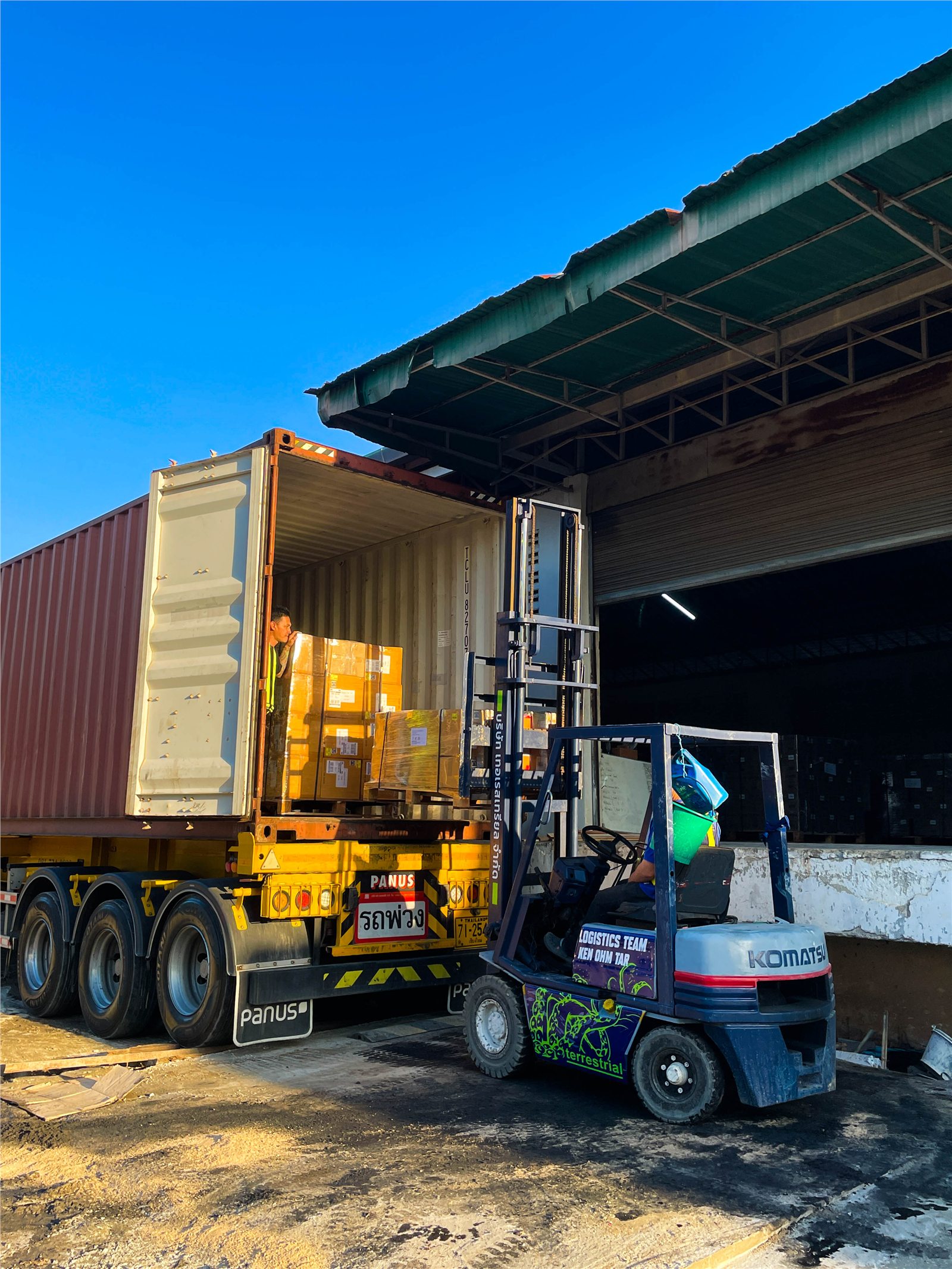
A container's length and the cargo weight do not tell you whether a forklift can unload it. Confirm the access arrangement, truck dimensions and responsibilities before delivery.
Fewer contractors today see owning a fleet as the default. Renting has shifted from a fallback option to a deliberate strategy, and the reasons behind that shift are worth understanding.

Compaction isn't one-size-fits-all. Whether you need a vibratory roller or a static smooth-drum roller depends on the material you're compacting and what sits underneath it.
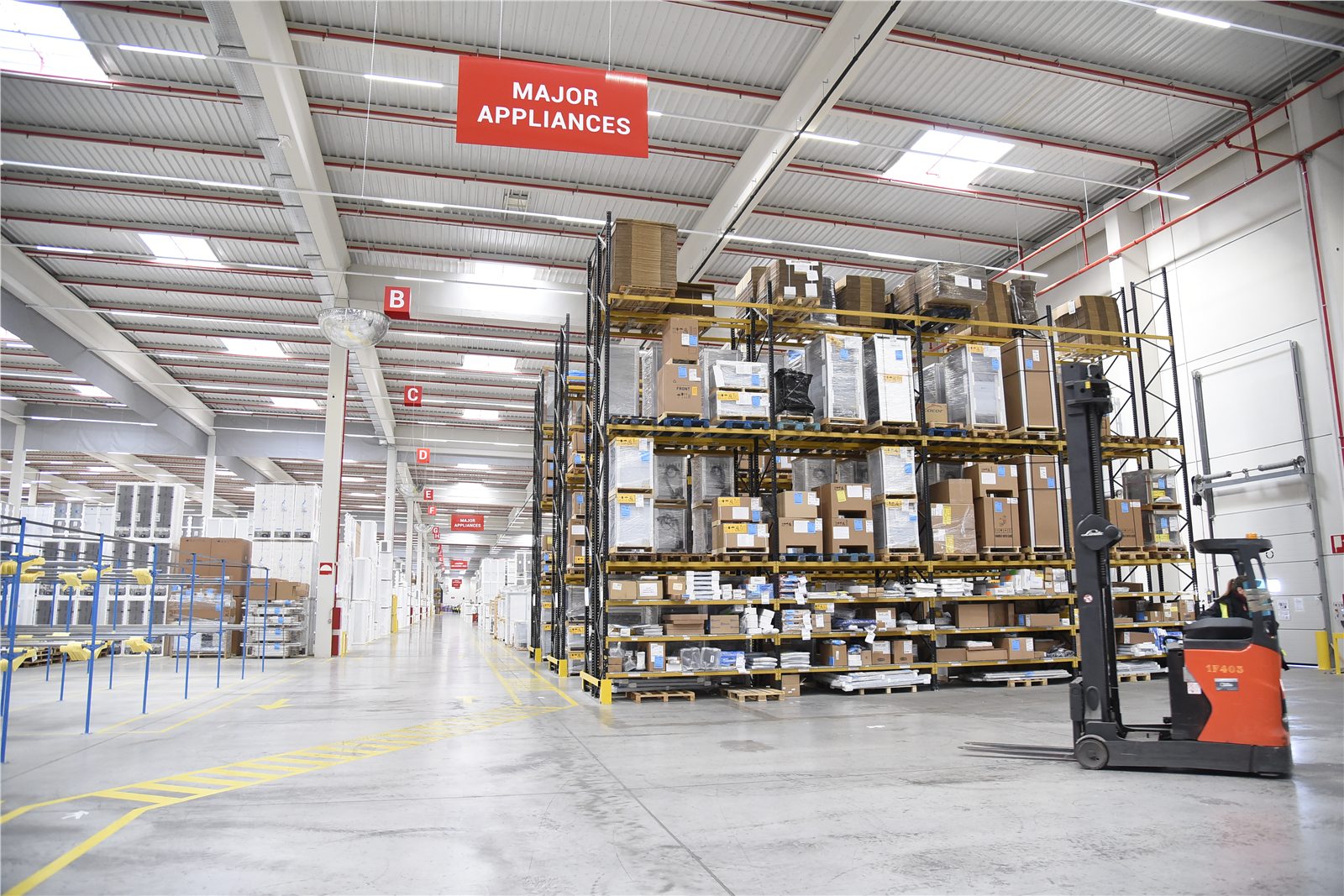
A narrow aisle, a loading bay and a short floor transfer are different jobs. Match the equipment to the complete movement rather than looking for one universal winner.
Everyone says renting beats owning for project-based work, but few show the math. Here's a real, sourced comparison across four popular backhoe loader models sold in India.
Compliance claims on a website are easy to make and not always easy to check. Here's how to actually verify them, whoever you're renting from.
The lowest machine rate is not always the lowest project cost. Compare what happens before delivery, during the job and when the machine goes back.
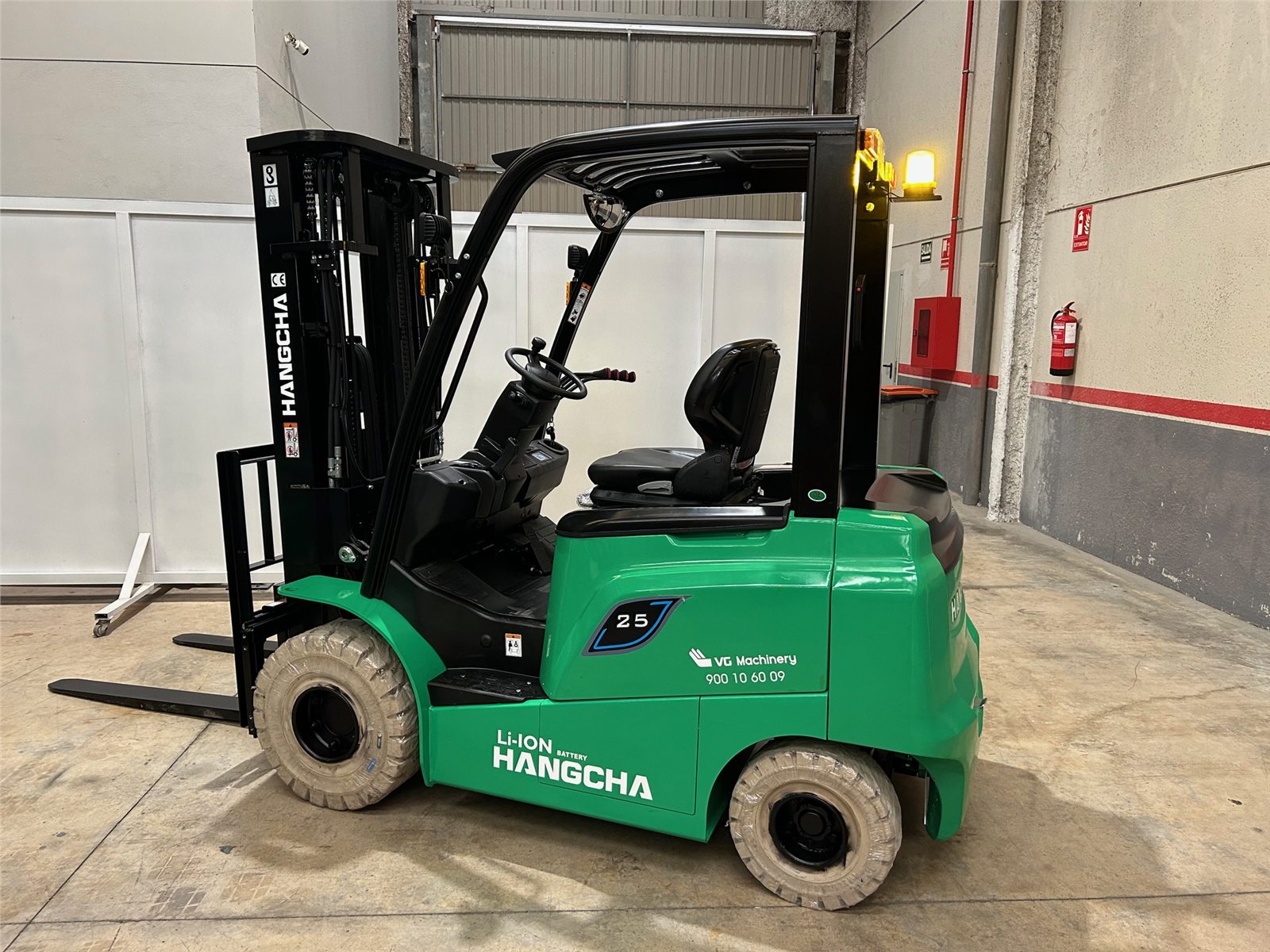
The right forklift starts with the route it will travel. Use air quality, surfaces and energy arrangements to narrow the choice before comparing rental quotes.
If your excavator or crane spends more days parked than working, it is costing you money instead of making it. Here is how to turn that idle time into income.
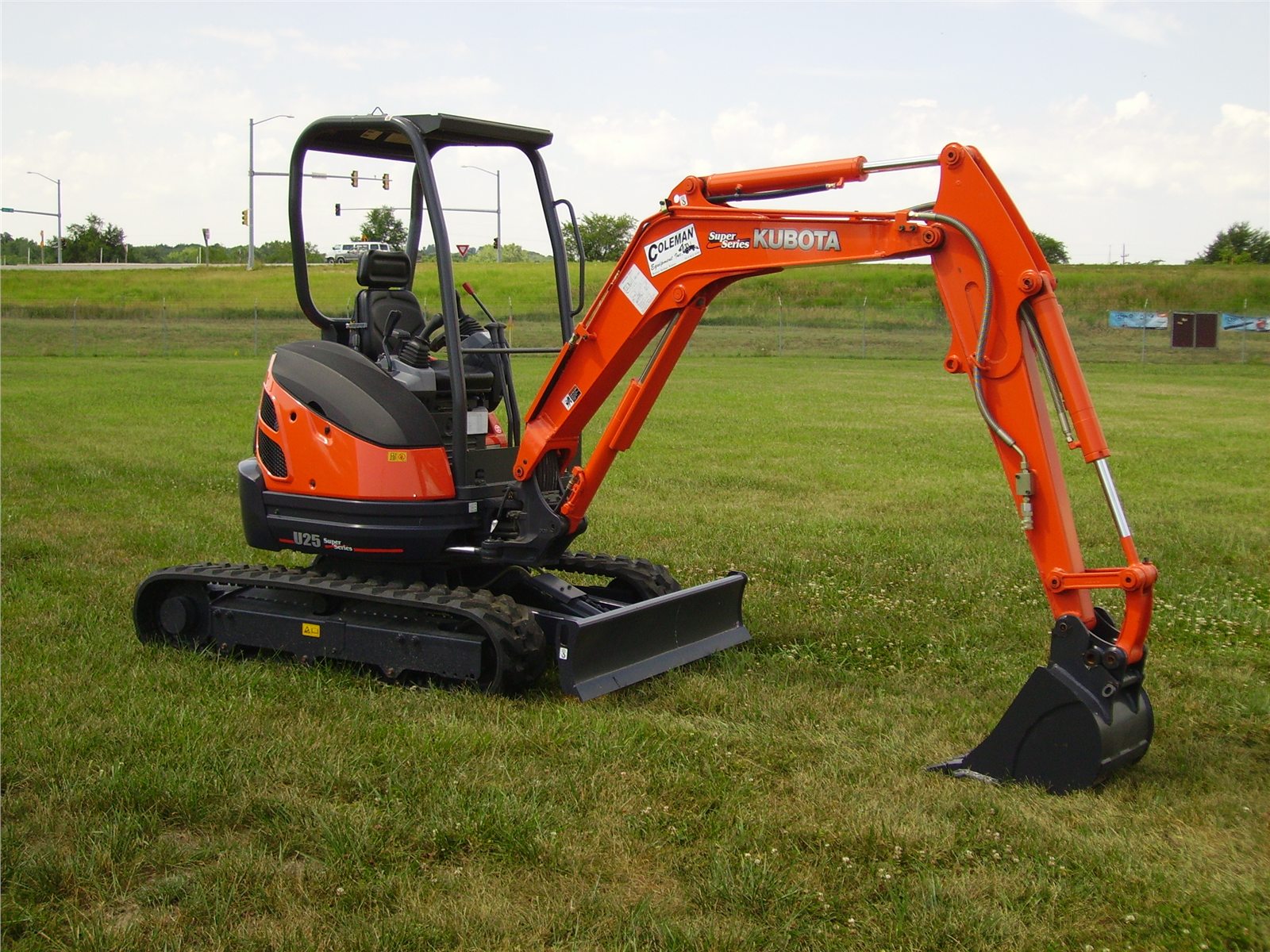
A narrow machine is not automatically a good fit for a small plot. Check how it will arrive, reach the work and leave with the job finished.

GPS tracking on a rented machine is not about surveillance. It is about both sides having the same facts when something needs confirming.
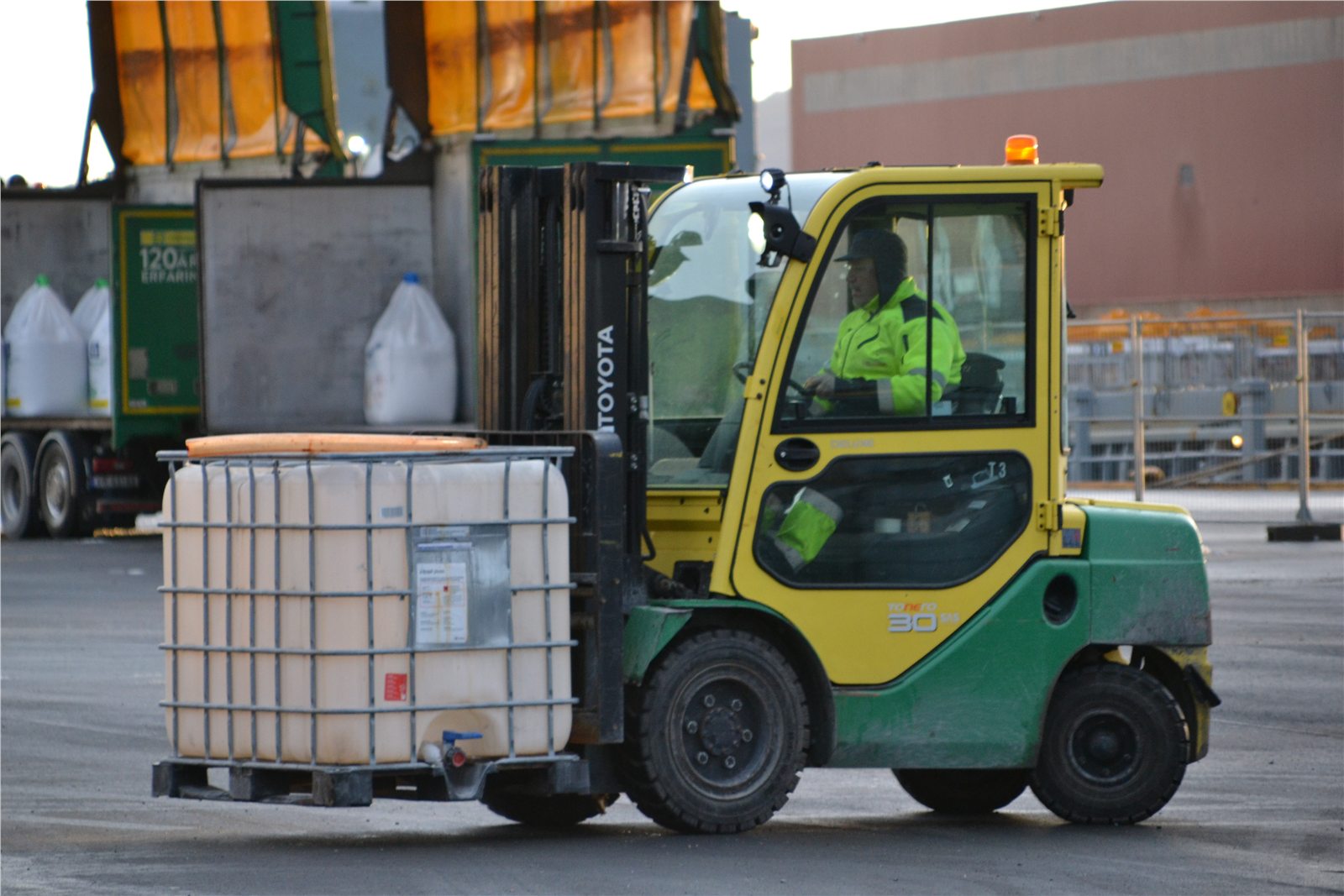
The number on a forklift listing is only a starting point. Match the load, attachment and required height to the capacity information on the actual truck.
We're starting this blog to answer the questions we hear again and again from contractors, equipment owners, and anyone trying to figure out this industry for the first time.
Try a different word, or clear the search box to see every post again.