
LANDSCAPING EQUIPMENT
Skid steer or mini excavator for landscaping and site cleanup?
Start with the work that controls the project. A mini excavator is usually the stronger starting point for digging below ground; a skid-steer loader is often worth discussing for repeated moving, loading and spreading. A mixed job may need different machines at different stages.
1. Replace 'landscaping' with a short job list
Landscaping could mean digging a drain, removing rubble, shifting topsoil, preparing a lawn or loading waste. Write the tasks in order and estimate material quantities. Include where material starts, its destination and the route between.
A garden project after building work might involve excavation, rubble collection, new soil and finishing levels. Do not assume one attachment performs every stage well — different attachments suit trenching, hole drilling, lawn preparation and material handling.
2. Match the main movement to the machine
A mini excavator uses its boom and arm to dig and place material. Discuss it for planting pits, drainage excavation and shaped cuts, subject to design and utility checks. Mini excavators in this class are commonly used for construction, utilities and landscaping work, but the specific machine's reach and configuration still matter.
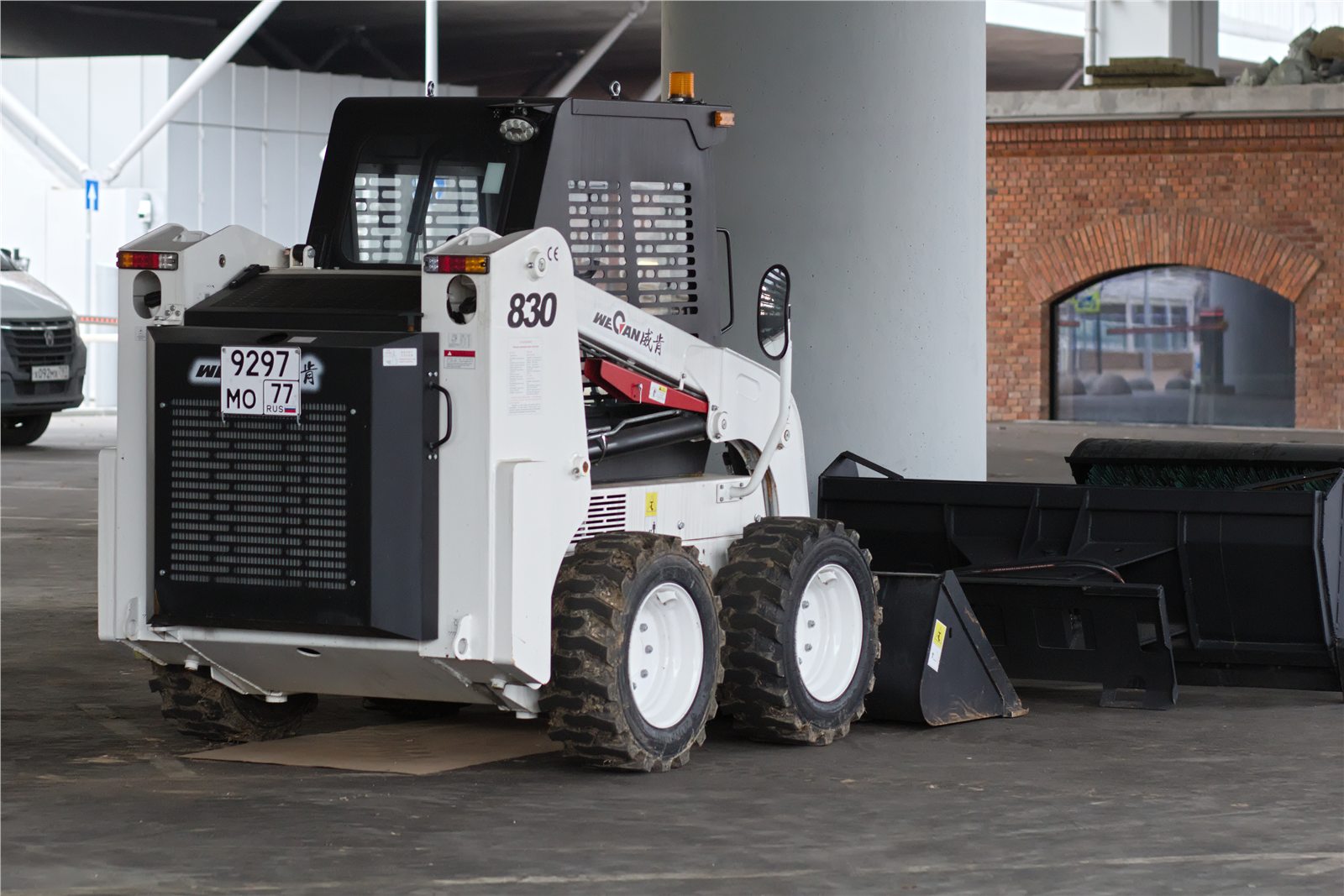
A skid steer carries its attachment at the front and can make repeated trips between a pile and a destination. That makes it a useful candidate for moving loose soil, loading and spreading. This is not an absolute division: excavators can load, while a suitably equipped loader can trench. Compare the dominant task and actual attachment package.
On a small screen, scroll the table sideways. Keyboard users can focus the table area and use the arrow keys.
| Main requirement | Starting discussion | Important qualification |
|---|---|---|
| Pits or shaped excavation | Mini excavator | Confirm depth, reach, services and spoil position. |
| Repeated short material trips | Skid-steer or compact track loader | Check travel route, load and discharge point. |
| Long, narrow soil trench | Excavator or compatible trencher | Layout and ground conditions decide the method. |
| Digging followed by cleanup | Staged equipment plan | Arrange the handover and material collection. |
3. Be precise about wheels, tracks and surface damage
In manufacturer terminology, a skid-steer loader runs on wheels; a compact track loader uses tracks. People sometimes call both a skid steer, so ask which is being proposed. As a general rule, wheels suit firm, hard ground, while tracks suit softer or rougher terrain because they spread the load over more contact area.
That does not make tracks harmless to a lawn or safe on any wet ground. Turning, repeated journeys and loaded travel can still disturb soil or finished surfaces. Tell the supplier which paving, tiles or turf must remain intact. Discuss the machine's tyres or tracks, a planned route and suitable surface protection; agree any reinstatement responsibility rather than assuming no marks.
4. Check where the material will actually go
For an excavator, identify the temporary spoil area and collection-vehicle access. For a loader, check the loaded travel path, corners and loading position. Matching a bucket to the intended load and vehicle needs supplier assessment, not a guess from a photograph.
Keep people out of machine routes and minimise reversing where practicable. A long carry through a narrow passage may justify discussing a separate material carrier rather than asking the digging machine to do everything. Neither machine solves waste collection by itself: include collection access and an appropriate disposal arrangement in the plan.
5. Confirm the attachment and the person operating it
A bucket is not interchangeable with every rake, auger, trencher or fork attachment. Each attachment category serves a different purpose, and not every loader or mini excavator accepts each one. Ask the supplier to confirm the connection, hydraulic requirements where relevant and suitability for the proposed carrier.
For a first rental, establish who provides a trained operator familiar with both machine and attachment. A quick change system is not an invitation for an inexperienced renter to change tools. Ask who handles attachment changes, daily checks and fault reporting. Confirm whether these services are included or need separate arrangement before comparing offers.
6. Compare a complete sequence, not a single day rate
Consider a small courtyard conversion: a mini excavator might complete the assessed drainage and planting excavations first. A loader might then move loose material and prepare the next stage, if access and surfaces suit it. Alternatively, one machine with appropriate attachments could be sufficient. These are planning examples, not guaranteed equipment combinations.
Ask for the scope behind each proposal: transport, operator, attachment supply, changeovers, collection coordination and responsibility for waiting time. Confirm those terms rather than assuming any charge applies. RIGR can discuss your requirement, but the availability of a skid steer, compact track loader, mini excavator and specialist attachments must be checked for your location and dates.
Questions before you book
Can a skid steer dig a trench?
A compatible trencher attachment can cut suitable soil trenches, but ground conditions, services and the required shape matter. Compare that package with an excavator rather than treating a front bucket as a substitute.
Will rubber tracks leave my lawn untouched?
No such guarantee is sensible. Tracks can reduce ground pressure, but turning and repeated loaded journeys can still damage turf. Discuss the route, weather, protection and reinstatement.