
RENTAL COSTS
The hidden costs in an equipment rental quote: what is missing?
A rental quotation can look inexpensive because it prices only the machine. Two-way transport, insurance, operator meals and the arrangements during a breakdown can change the real cost. Ask for one written scope and a final total before you book, not a collection of assumptions.
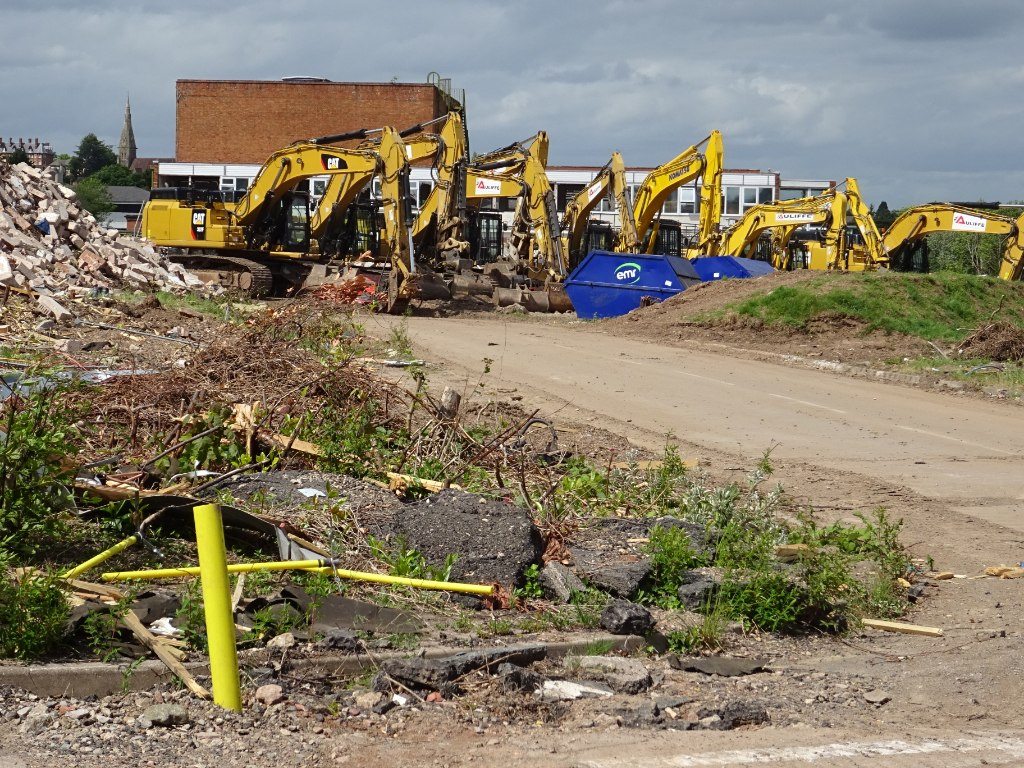
1. A cheap rate can be an incomplete quote
Imagine receiving two offers for the same excavator. One shows a low daily rate. The other shows a complete total for the agreed period, operator arrangements and both transport journeys. Comparing the two headline numbers tells you very little until you put their scope side by side.
Start with the machine and attachment, site, start and finish dates, working hours, fuel responsibility and tax treatment. Ask what is included, what you must arrange and what would trigger another charge. A fixed price is useful only when everyone understands the job that price covers.
2. Price the return journey before the machine arrives
Delivery is only half of the transport question. Check collection, the agreed origin and destination, carrier access and any waiting charge. If the quote says 'transport extra', ask for the amount for both journeys before accepting the rental.
Also separate transport from unloading and positioning. Bringing a machine to the gate is not necessarily the same service as getting it into the working area. Restricted access, another site move or a changed collection date may alter the agreed job. State those requirements upfront, including who provides the people and equipment needed to receive the delivery safely.
3. Ask what is insured, when and by whom
Some quotations say nothing about insurance. Others use the word 'insured' without explaining the policy, excess, exclusions or the renter's responsibilities. Neither is a good basis for assuming you have no exposure if equipment is damaged.
Ask for the cover that applies during the rental, and separately during transport, loading and unloading. Confirm who reports an incident, what evidence is needed and who bears an uninsured loss or policy excess under the agreement. Rental-period insurance does not automatically establish transit cover, and equipment cover is not necessarily insurance for project delays or third-party injury.
RIGR's published transport policy treats transit insurance separately from rental insurance. The agreed quote must make any selected transit cover explicit rather than letting a general insurance headline imply more than the policy provides.
4. An operator can come with additional arrangements
Check whether the operator's food, accommodation and travel are included or expected from your site. For a multi-day or remote job, these are practical requirements, not small details to settle after arrival. Ask about attendance hours, rest arrangements, overtime and who coordinates a replacement if one becomes necessary.
Keep fuel or charging in the same comparison. Record whether fuel is included within a stated allowance, supplied by the renter or reconciled separately. A quotation should not describe itself as unlimited or fully inclusive while leaving an essential recurring cost unexplained.
5. A support number is not a repair guarantee
Ask what happens when the machine stops: who receives the report, who assesses the fault, who arranges service and what happens to the rental charge while work is interrupted. Also ask whether replacement equipment is available under the contract and who pays for its movement.
Breakdown response, repair completion and replacement are different commitments. A team answering a call does not guarantee a repair by a particular hour. Do not assume rent pauses automatically, every repair is free or lost project time will be reimbursed. Get the actual support responsibilities and downtime treatment in writing.
Use this quick comparison before choosing between quotations:
On a small screen, scroll the table sideways. Keyboard users can focus the table area and use the arrow keys.
| Potential omission | What the quotation should say |
|---|---|
| Two-way transport | Delivery and collection route, cost, timing and waiting terms. |
| Insurance | Rental and transit cover separately; limits, excesses, exclusions and responsibilities. |
| Operator food and stay | Who arranges and pays, for which dates and working pattern. |
| Fuel, taxes and additional hours | Included allowances, customer-supplied items, tax amount and extra-work basis. |
| Breakdown or standby | Support contact, repair responsibilities, downtime billing and any replacement terms. |
| Deposit and off-hire | Deposit shown separately, notice required to end hire and collection arrangements. |
6. RIGR: the agreed scope, one fixed cost
At RIGR, we keep the rental scope transparent. Our quote brings the equipment and operator, agreed two-way transportation, rental-period insurance, operator food and accommodation, and breakdown support into one fixed upfront total. The inclusions remain itemised, so one number does not become a black box.
We agree the machine, location, rental period and working hours, and show the treatment of taxes, fuel, loading and unloading, transit cover and any additional hours. The quotation identifies exclusions and any security deposit separately. You should know what you are paying and what your site still needs to arrange before the machine is dispatched.
A fixed scope is not an unlimited promise. If dates, hours, route or services change, the revised scope and price must be agreed before the extra service is added. Insurance follows its actual policy terms, while breakdown support follows the documented booking commitments; neither is a blanket promise of free repairs or uninterrupted work.
Questions before you book
Does one fixed cost mean transport has no cost?
No. It means the agreed delivery and collection costs are included within the quoted total rather than appearing as an unexplained extra later. The breakdown of that total should still be visible.
What should I send RIGR to get a complete quotation?
Share the equipment and task, site location, access photos, dates, working hours and any operator, fuel or handling requirements. Mention changes of site or collection restrictions so the team can price the complete agreed scope.